Discover the Rich Flavors of Indian Food: A Journey With Famous Indian Food
Indian food provides a tapestry of tastes and traditions. Each dish has its very own story, woven with background and regional influences. From the great smelling biryanis to the rich curries, every bite provides a new experience. Best indian near me. Street food records the essence of regional society, while vegan options showcase the variety of ingredients. Below these vivid dishes lies a much deeper value. What social narratives and rituals are intertwined with these cooking thrills?
The Aromatic Globe of Biryani
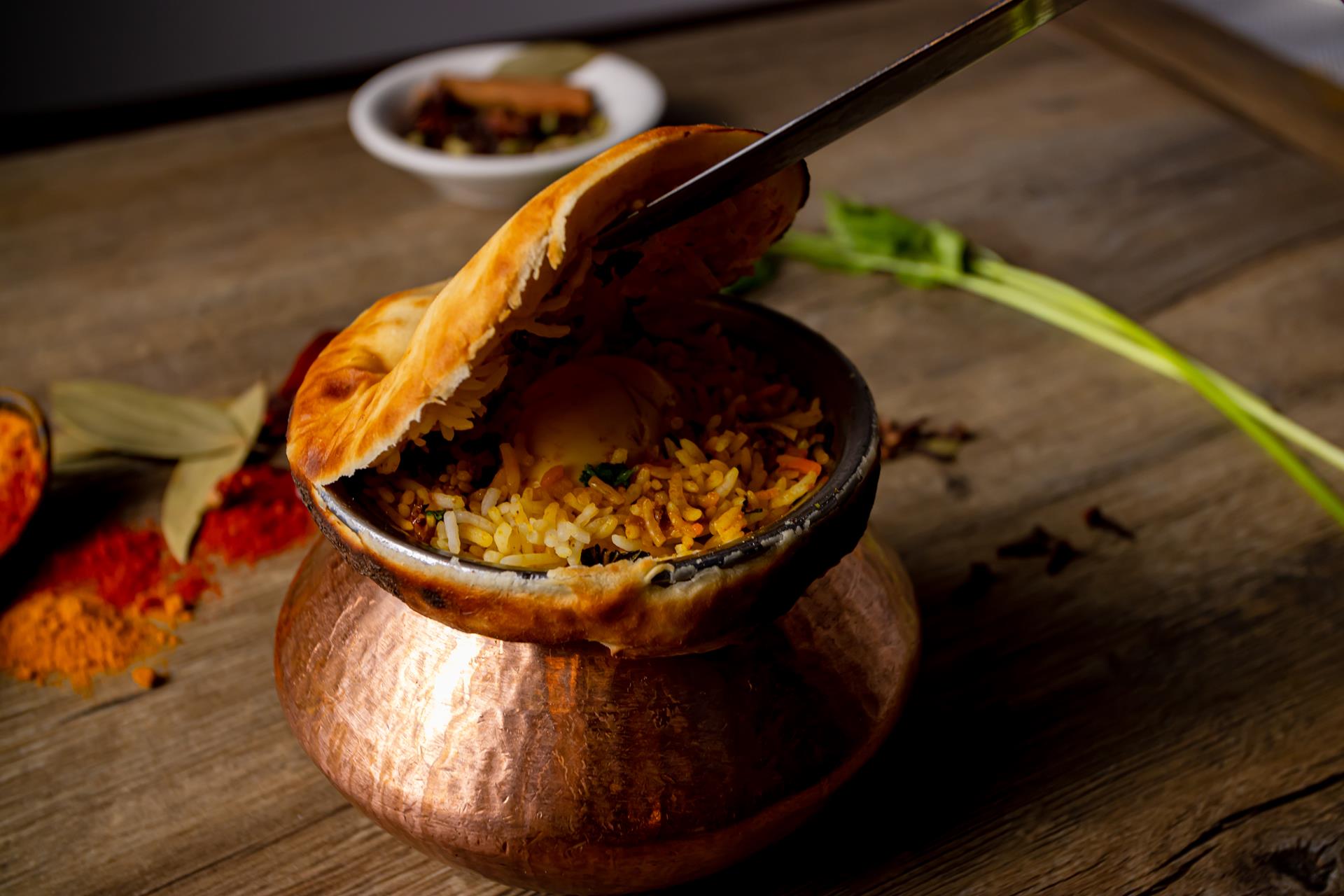
Biryani, a fragrant and tasty rice meal, stands as a trademark of Indian cuisine. This culinary masterpiece integrates basmati rice with highly seasoned meat, fish, or vegetables, covered in a selection of fragrant spices. Originating from the Persian word "birinj," implying rice, biryani's roots map back to the Mughal period, where it evolved into various local adjustments throughout India.
Each area has its special take, from the Hyderabadi biryani, recognized for its spicy kick, to the Lucknowi (Awadhi) variation, defined by its refined flavors. The cooking method is typically sophisticated, with layers of marinaded components and rice cooked together, enabling the flavors to combine wonderfully. Served with raita or salad, biryani not only thrills the taste yet likewise symbolizes the rich cultural tapestry of India. Its long-lasting appeal is a representation of its flexibility and the skill required to prepare this precious meal.
Enjoying the Spice: Curry Varieties Across India
Curry varieties throughout India display a rich tapestry of regional differences and signature spices. Each area flaunts its distinct flavors, affected by cooking traditions and local active ingredients. Understanding these differences exposes the complexity and deepness of Indian food, highlighting how seasonings transform easy recipes into remarkable experiences.
Regional Curry Distinctions
While discovering the huge landscape of Indian cuisine, one quickly uncovers the impressive variety of regional curry differences that define the country's culinary heritage. Each area boasts its unique analysis of curry, influenced by local active ingredients and customs. In the north, creamy, tomato-based curries like Butter Hen regime supreme, while the south offers a vivid variety of coconut-infused dishes, such as Kerala's Fish Curry. The eastern showcases mustard oil and poppy seed tastes in Bengali curries, while the west is understood for its spicy and tangy Vindaloo from Goa. In addition, the northwest provides rich, slow-cooked meat curries, exhibiting the robust tastes of Punjabi cuisine. This abundant tapestry of curry styles mirrors India's geographical and cultural variety, making each dish an experience by itself.
Signature Spices in Curries
The variety of regional curries in India is not just shaped by regional ingredients yet likewise by the signature flavors that specify each meal. In the north, garam masala-- a mix of cardamom, cloves, and cinnamon-- offers heat and depth to abundant gravies. On the other hand, southern curries commonly feature tamarind and coconut, stabilizing seasonings with appetizing sweet taste. In the east, mustard seeds and poppy seeds produce an unique flavor account, while the west embraces the warm of red chili and the earthiness of cumin. Each area's distinctive spices contribute to the total character of curries, showing the society and traditions of its people. Comprehending these spices provides a much deeper admiration for the elaborate art of Indian food preparation.
Street Food Sensations: A Preference of Neighborhood Delights
What makes Indian street food a cooking journey unlike any other? It lies in the vivid flavors, diverse active ingredients, and local specialties that collaborate to produce a memorable experience. From the busy roads of Mumbai to the colorful markets of Delhi, street food vendors use an array of tantalizing bites that show neighborhood society and practices.
Popular dishes such as pani puri, a crispy hollow shell loaded with spiced water, and vada pav, a spicy potato fritter sandwich, showcase the combination of tastes that Indian food is renowned for. The searing nacho fries taco bell audios of food being prepared and the enticing aromas wafting through the air attract enthusiastic food enthusiasts. Each bite narrates, attaching people to the rich tapestry of Indian heritage. Street food serves not only as a meal but as an event of area, making it an important part of India's culinary landscape.
Vegan Wonders: Commemorating Plant-Based Recipes
Indian cuisine is celebrated for its rich diversity, and vegetarian meals play a noticeable duty in this flavorful tapestry. With an extensive social heritage, India provides a myriad of plant-based alternatives that accommodate numerous tastes and preferences. Dishes like paneer tikka, made from fresh cheese seasoned in seasonings, exhibit the depth of tastes possible without meat. Lentils, or dal, are staples across the country, providing passionate nourishment alongside spices that boost their preference.
Vegetarian curries, such as chana masala and aloo gobi, display the convenience of veggies, transforming them right into luxurious meals. In addition, local specialties like dosas and idlis highlight the relevance of grains and beans in Indian diet plans. These offerings not only commemorate the vegetarian practice however also stress sustainability and health and wellness. Ultimately, Indian vegan cuisine welcomes everybody to enjoy its abundant flavors while recognizing the plant-based bounty of the land.
Sweet Closings: Traditional Indian Treats
Delightful and varied, traditional Indian desserts supply a sweet final thought to any kind of meal, showcasing a special blend of textures and flavors. Famous deals with such as gulab jamun, small fried dough spheres taken in rose-flavored syrup, characterize extravagance. Similarly, jalebi, a spiral-shaped wonderful taken in syrup, offers a crunchy yet syrupy experience. An additional beloved dessert, rasgulla, contains soft cheese rounds submersed in a light syrup, symbolizing simplicity and sweetness.
Rich and velvety, kheer, a rice pudding flavored with cardamom and garnished with nuts, highlights making use of milk in Indian desserts. The varied areas of India contribute their specialties, like the nutty tastes located in burfi and the tangy allure of aam ras, showcasing the culinary heritage. Each dessert reflects a tapestry of traditions, making them a crucial part of Indian food and a pleasure for the taste buds.
The Cultural Relevance of Indian Food Traditions
Indian food customs play a main function in the country's rituals and festivals, symbolizing community and party. Each area adds its special tastes and methods, showing the diverse cultural landscape of India. This cooking selection not just nourishes the body however also fosters a feeling of belonging and identification among its people.
Festivals and Food Rituals
Events in India act as vivid events that intertwine food and culture, showcasing the abundant tapestry of customs that define the subcontinent. Each festival, whether Diwali, Eid, or Pongal, brings forth an unique range of meals that lug deep cultural value. Food rituals throughout these occasions frequently involve elaborate prep work and common feasting, symbolizing unity and gratefulness. Throughout Navratri, enthusiasts prepare details vegetarian recipes to honor the goddess Durga, while the sharing of sugary foods during Eid shows joy and neighborhood spirit. These culinary methods not only commemorate the celebration however additionally transfer worths, stories, and heritage throughout generations. Celebrations offer as a vital web link between food and the cultural identification of the diverse Indian population.
Regional Culinary Variety
Often Asked Concerns
What Are the Wellness Benefits of Indian Spices?
Indian spices use countless wellness advantages, including anti-inflammatory buildings, boosted digestion, and enhanced metabolism. Turmeric, ginger, and cumin are noteworthy examples that add to general health and might assist in taking care of persistent conditions effectively.
How Can I Recreate Indian Dishes at Home?
To recreate Indian dishes at home, one can gather genuine seasonings, adhere to traditional recipes, and utilize cooking techniques like slow simmering (Mango lassi). Explore tastes and components improves the general culinary experience while ensuring credibility
What Prevail Irritants in Indian Food?
Typical allergens in Indian cuisine include gluten from wheat, dairy from ghee and yogurt, nuts like cashews and almonds, and particular beans such as lentils. Recognition of these active ingredients is crucial for those with allergic reactions.
Exactly How Does Indian Food Vary by Area?
Indian food differs significantly by area, affected by local components, climate, and social traditions. North recipes often feature dairy and bread, while southern food highlights rice and fish and shellfish, showcasing the country's varied cooking landscape.
Exist Vegan Options in Standard Indian Cuisine?
Yes, traditional Indian food provides numerous vegan choices. Staples like lentils, chickpeas, vegetables, and rice are widespread, while meals such as chana masala, aloo gobi, and numerous curries click over here satisfy those looking for plant-based meals.
Biryani, a flavorful and aromatic rice dish, stands as a trademark of Indian cuisine. While checking out the vast landscape of Indian cuisine, one promptly finds the impressive diversity of local curry distinctions that define the nation's culinary heritage. Popular meals such as pani puri, a crunchy hollow shell loaded with spiced water, and vada pav, a spicy potato fritter sandwich, showcase the combination of preferences that Indian food is renowned for. Indian cuisine is commemorated for its abundant diversity, and vegetarian recipes play a popular function in this savory tapestry (Best indian restaurant). To recreate Indian meals at home, one can collect authentic spices, comply with typical recipes, and use cooking methods like slow-moving simmering
Comments on “Satisfy your cravings with reliable takeout and delivery from your trusted Indian restaurant.”